The Convergence of Two Engines
The Builder's Genesis
For 15 years, I ran enterprise Go-To-Market (GTM) teams at SurveyMonkey, Google, an A-Series Cybersecurity startup, and a Series D AI Talent Management firm. Throughout my career, I constantly witnessed the same persistent failure point.
Brilliant engineers would build incredible technology, only to hand it over to volume-based, brute-force sales teams to spray and pray into the market. It was inefficient, culturally fragmented, and completely detached from the product's actual operational value.
So I stopped managing traditional sales teams and started building systems. I spent the last three years writing 700,000+ lines of code to engineer an autonomous, deterministic GTM architecture called Basin::Nexus.
Instead of hiring 10 SDRs to spam the market, I built a system that algorithmically identifies specific enterprise bottlenecks, bypasses the vendor noise, and delivers high-signal pipeline directly to the executive table.
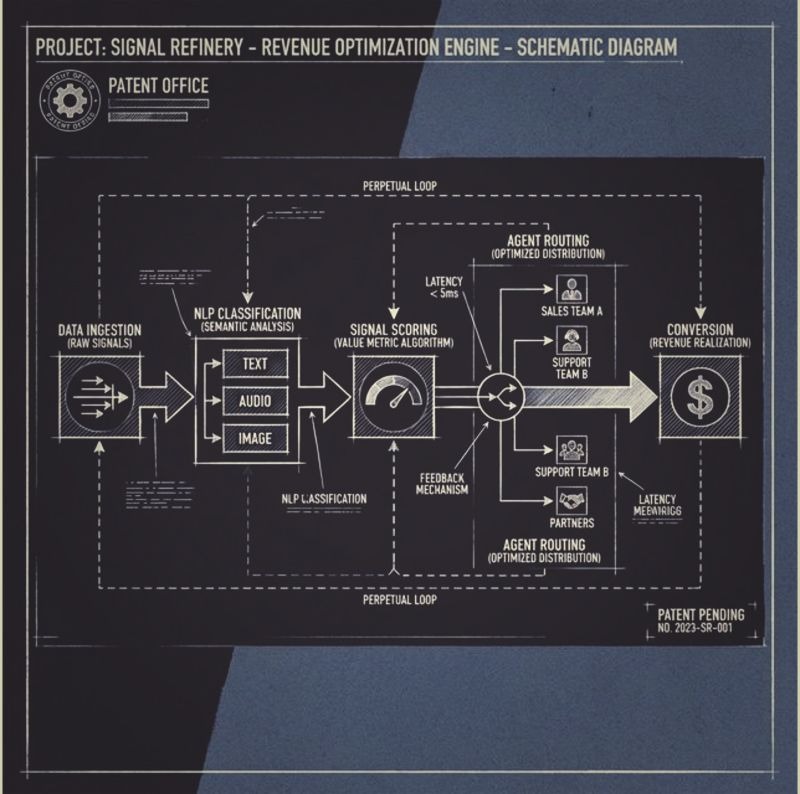
This is not a sales playbook. This is a technical infrastructure designed to mathematically source, score, and convert enterprise signals into governed pipeline.
The Synergy with EtherAI
When Garrett showed me the architecture of EtherAI, the convergence was undeniable.
Garrett is engineering the operational backend: the dashboards, the autonomous voice agents, and the workflow intelligence. You, Karim, are structuring the regional alliances, driving the strategic vision, and establishing the operational excellence required, like Six Sigma, to deploy these systems at scale across the GCC.
But to scale EtherAI globally, and to specifically penetrate the highly competitive, high-noise US enterprise market, the company needs a Distribution Engine that matches the technical sophistication of its product.
The Integrated Ecosystem
Together, we form a complete, end-to-end enterprise operating system. We merge what you build with how I distribute it.
Operational Infrastructure
The intelligent backend. Scalable AI frameworks, executive command centers, and workflow automations that transform how enterprise organizations execute. You build the engine that solves the operational friction.
Distribution Architecture
The GTM frontend. Autonomous signal discovery covering ATS boards and financial filings, identifying the exact companies facing the friction you solve. We intercept executives with surgical precision and forecast revenue flawlessly.
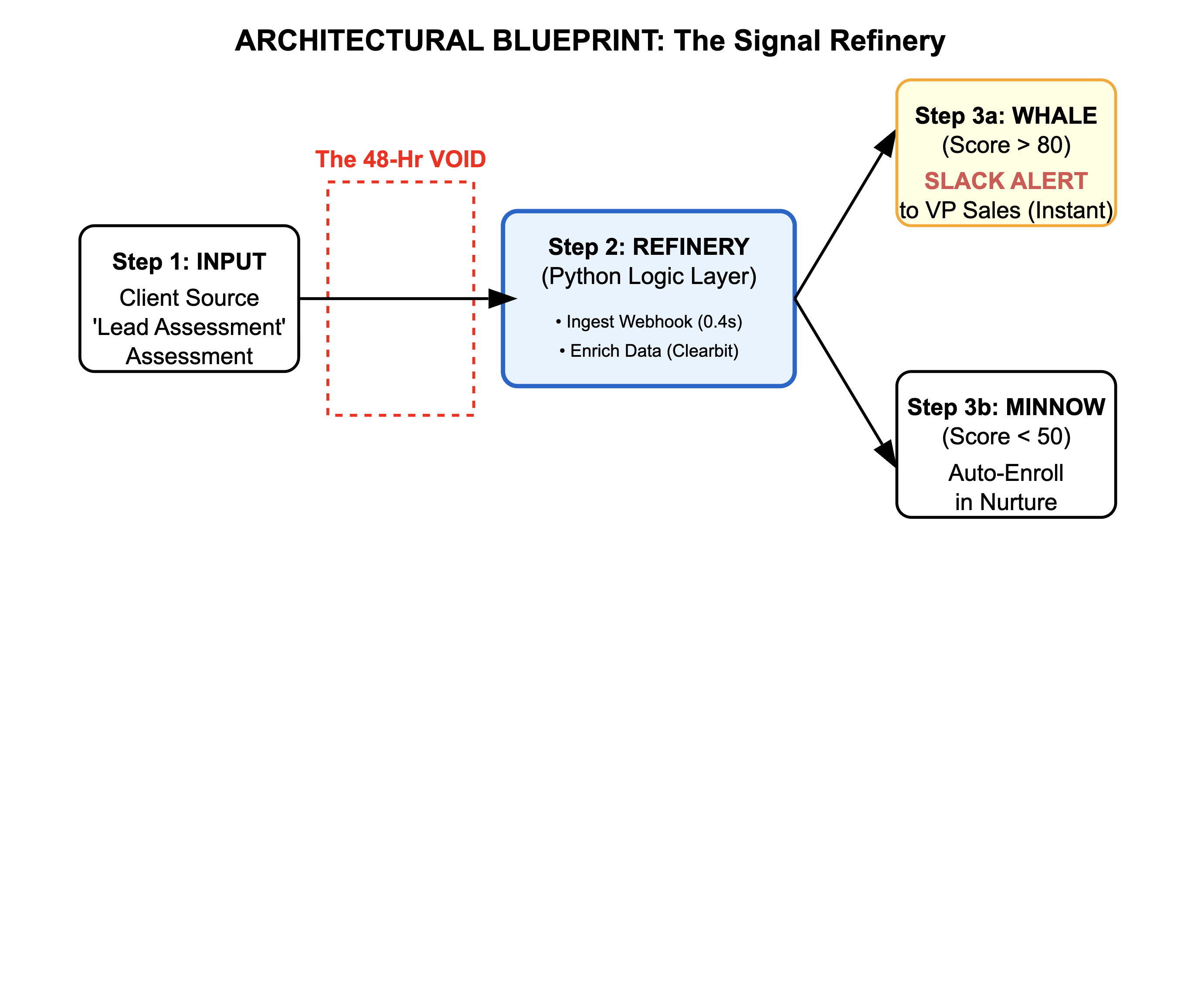
90-Day System Logistics
We move from momentum to execution. This is the governing framework for the US pilot rollout.
| Phase | Outcome |
|---|---|
| WEDGE SELECTION | Define 1 US ICP and vertical. Lead with operational outcomes, not features. |
| OFFER ARCHITECTURE | Package "Pilot-to-Platform" motion. Discovery, Deployment, and Expansion roadmap. |
| PIPELINE SYSTEM | Deploy autonomous signal discovery. Target 10-15 qualified US enterprise opportunities. |
| GOVERNANCE LAYER | Establish security posture and read-only integration model for executive trust. |
Ownership Matrix
Platform vision. Solution architecture. Technical credibility.
Strategic partnerships. Regional activation. Stakeholder alignment.
US GTM architecture. Distribution system design. Pipeline and conversion ops.
Integration, Not Fragmentation
As you recently noted regarding sustainable transformation. AI success is not driven by technology alone. It requires clarity of vision, governance discipline, and seamless integration between strategy and execution.
I am an operator who builds ecosystems, not a vendor selling a service. By integrating my GTM engineering methodology with EtherAI's backend dashboards, we bypass the fragmentation of traditional sales models. We create a unified, scalable revenue machine capable of dominating the US enterprise sector.
I look forward to our sync to discuss integrating these architectures.
Leon Basin
Principal Revenue Architect & GTM Engineer
Silicon Valley, CA • 700,000+ Lines Compiled